

The impact of gambling on society Understanding casino crazystar's role in shaping attitudes and behaviors
The Social Perception of Gambling
The perception of gambling has evolved significantly over the years. Once viewed primarily as a vice or a social ill, it has been increasingly recognized as a form of entertainment. This shift in perspective is influenced by various factors, including media portrayals, legislation, and the normalization of gambling in popular culture. The rise of online casinos and gaming platforms, such as crazystar casino, has contributed to this changing narrative, making it more accessible and mainstream.

However, this acceptance comes with its own set of challenges. While many engage in gambling responsibly, others may develop harmful habits. Society grapples with the duality of viewing gambling as both a harmless pastime and a potential source of addiction. This dichotomy shapes public attitudes and can either foster a supportive environment for responsible gambling or exacerbate stigma against those affected by gambling-related issues.
The Economic Impact of Gambling
The economic implications of gambling are profound and multi-faceted. Governments often legalize and regulate gambling to generate revenue through taxes, which can then be allocated to public services and infrastructure. This financial incentive has led to the establishment of numerous casinos and gaming establishments, contributing to job creation and economic growth in various regions.
However, the economic benefits can be overshadowed by the social costs of gambling addiction. The economic burden includes healthcare expenses, loss of productivity, and increased crime rates in communities heavily impacted by gambling. Understanding this balance is essential for policymakers, as they navigate the complexities of maximizing economic gain while minimizing societal harm.
The Role of Technology in Gambling Behavior
The advancement of technology has revolutionized the gambling landscape. Online casinos, mobile gaming apps, and virtual reality platforms have made gambling more accessible than ever. These innovations not only cater to a broader audience but also create new challenges in regulating and monitoring gambling behaviors. The convenience of online gambling can lead individuals to partake in riskier gambling practices, often without the same safeguards present in traditional casino settings.
This technological shift also impacts how society views gambling. The ease of access can normalize gambling behavior, potentially leading to increased rates of addiction. As a result, understanding the interplay between technology and gambling behavior is crucial for developing effective support systems for those at risk of gambling-related harm.
Community and Support Systems
Communities play a vital role in addressing the challenges posed by gambling. Local organizations and support groups often provide resources for individuals struggling with gambling addiction, offering counseling, educational programs, and outreach initiatives. These community efforts can foster a supportive environment for recovery, helping individuals and their families navigate the complexities of addiction.
Moreover, promoting responsible gambling practices is essential in community settings. Initiatives aimed at educating the public about the risks associated with gambling can empower individuals to make informed choices. This proactive approach not only benefits those at risk but also enhances overall community well-being.
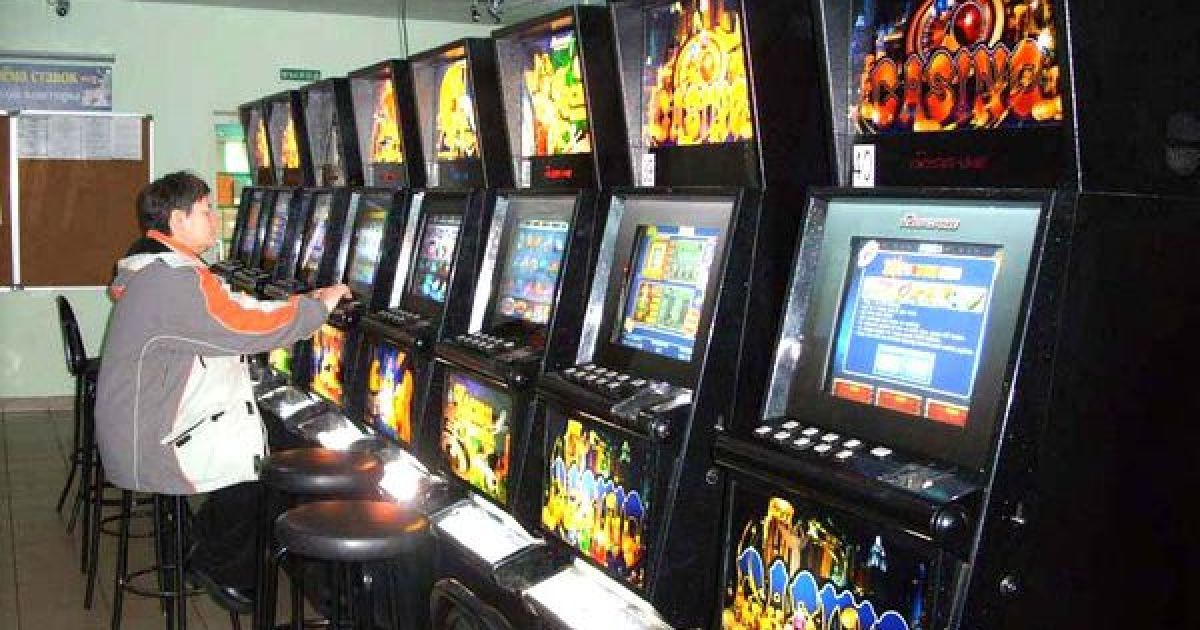
Casino Crazystar and Its Social Influence
Casino Crazystar has emerged as a significant player in shaping attitudes toward gambling. By offering a variety of gaming options and promoting responsible gambling, the platform contributes to the ongoing conversation about gambling behaviors in society. Its commitment to transparency and user education highlights the importance of understanding gambling as a form of entertainment rather than a means of financial gain.
In addition, Casino Crazystar actively engages in community outreach, supporting initiatives aimed at reducing the stigma associated with gambling addiction. Through partnerships with local organizations, it fosters awareness and provides resources to those in need. This holistic approach reinforces the idea that responsible gambling can coexist with community support and individual well-being.